A field-focused installation sequence for routing and protecting industrial wiring with flexible polyamide conduit.
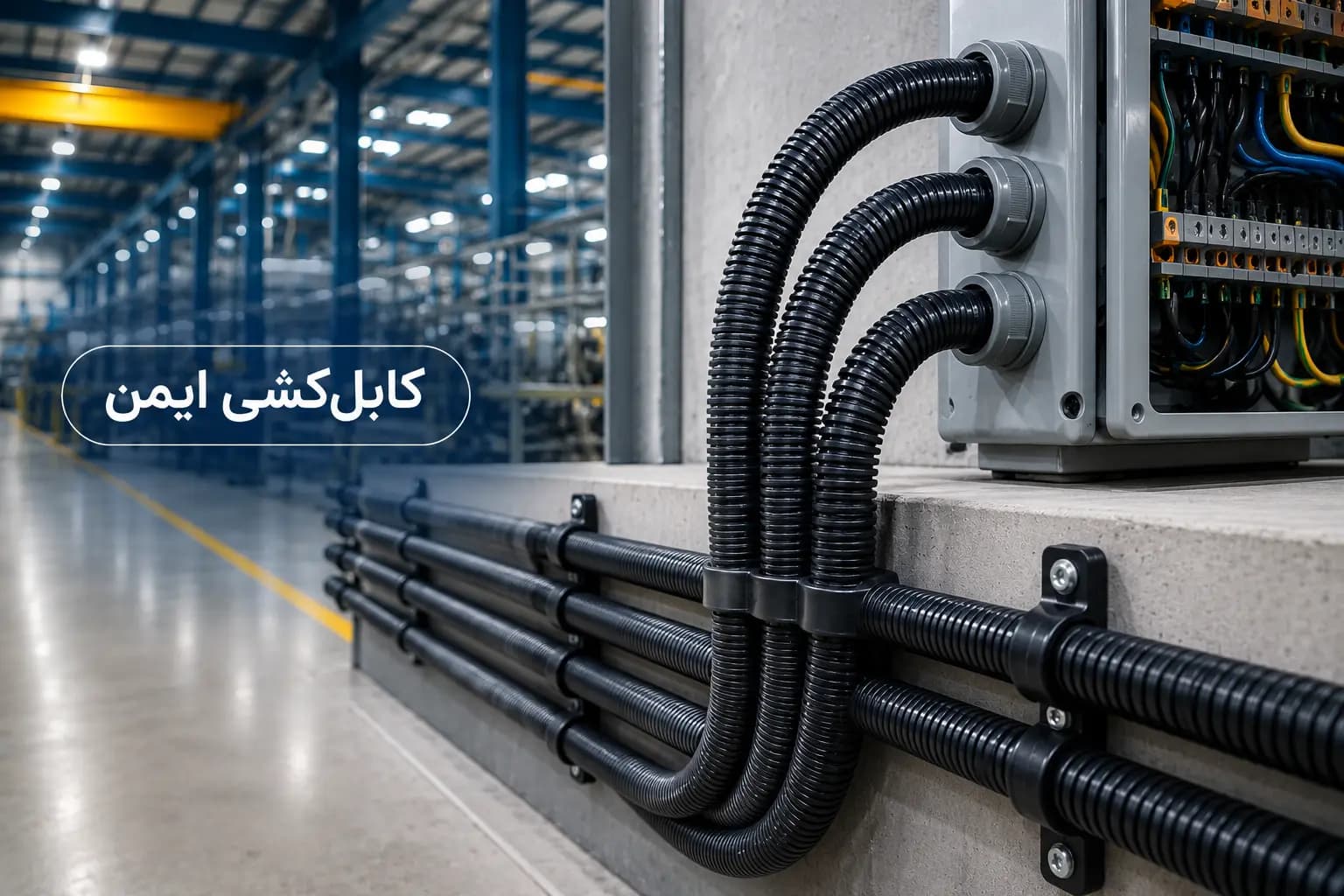
Mark the cable route, identify moving equipment, hot surfaces, sharp edges and areas exposed to oil or water. Select a polyamide grade whose temperature and chemical-resistance range matches the site. Confirm conduit diameter from the cable bundle and applicable fill requirements.
Cut the conduit squarely with a suitable tool and remove loose material. Do not crush the corrugations. Inspect every cable for jacket damage and group conductors according to the panel drawings. Where power and signal cables require separation, maintain the specified distance throughout the route.
Use fittings designed for the selected conduit series and size. Push or thread the conduit fully into the fitting, verify the locking mechanism and fit sealing washers where required. The enclosure entry must be clean, correctly sized and free of burrs.
Maintain the minimum bend radius and avoid pulling the conduit tight between two fixed points. Provide supports close enough to prevent sagging, but allow controlled movement near machine doors and actuators. Protect the run from direct impact and do not place it against hot components.
A disciplined installation protects the cable, simplifies maintenance and reduces unplanned downtime.
Explore KFG Power industrial products and choose the right components for your project.
 Tutorials
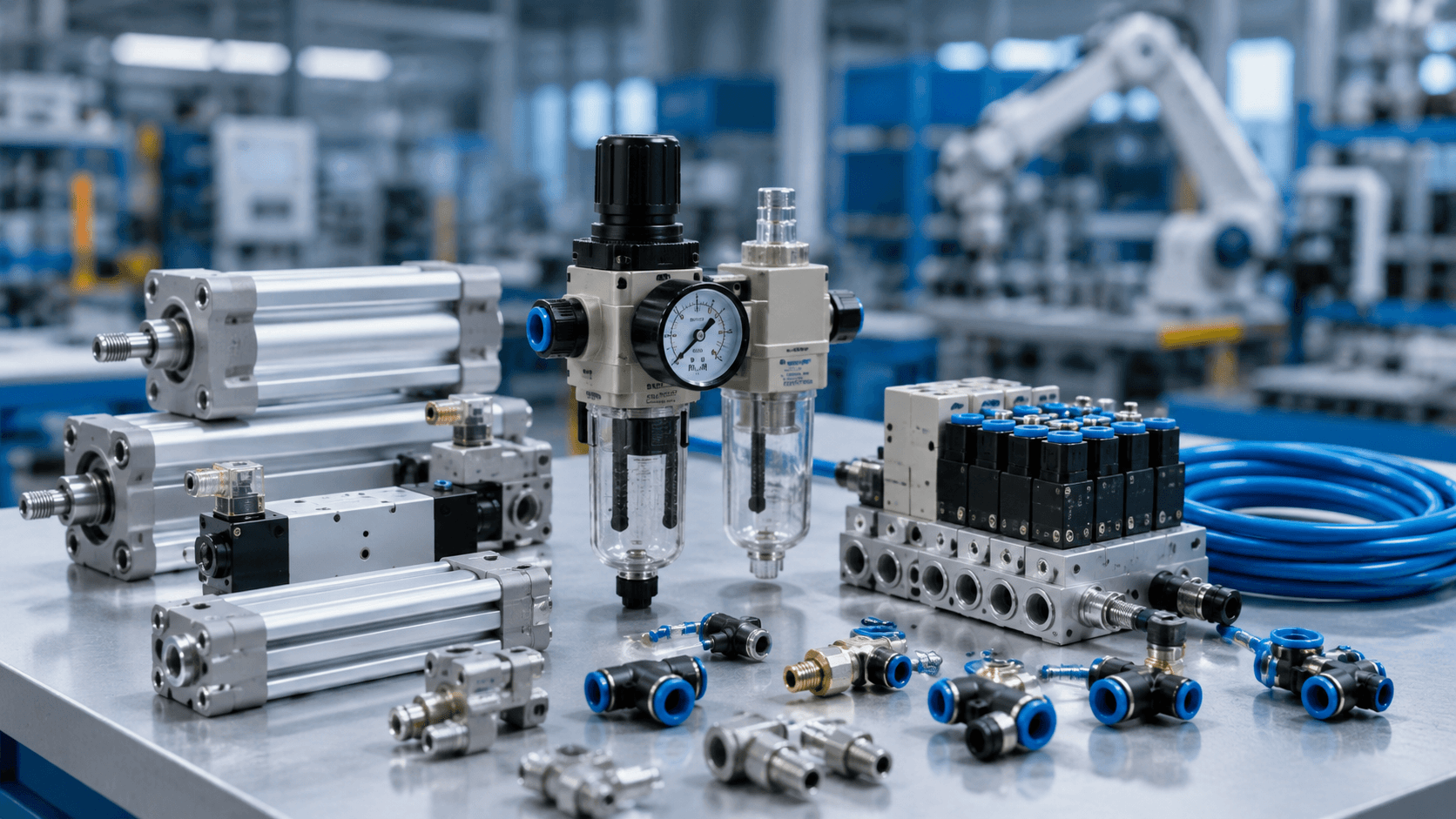
Key criteria for selecting cylinders, valves, fittings, tubing, filters and pressure-control components for industrial pneumatic systems.
June 25, 2026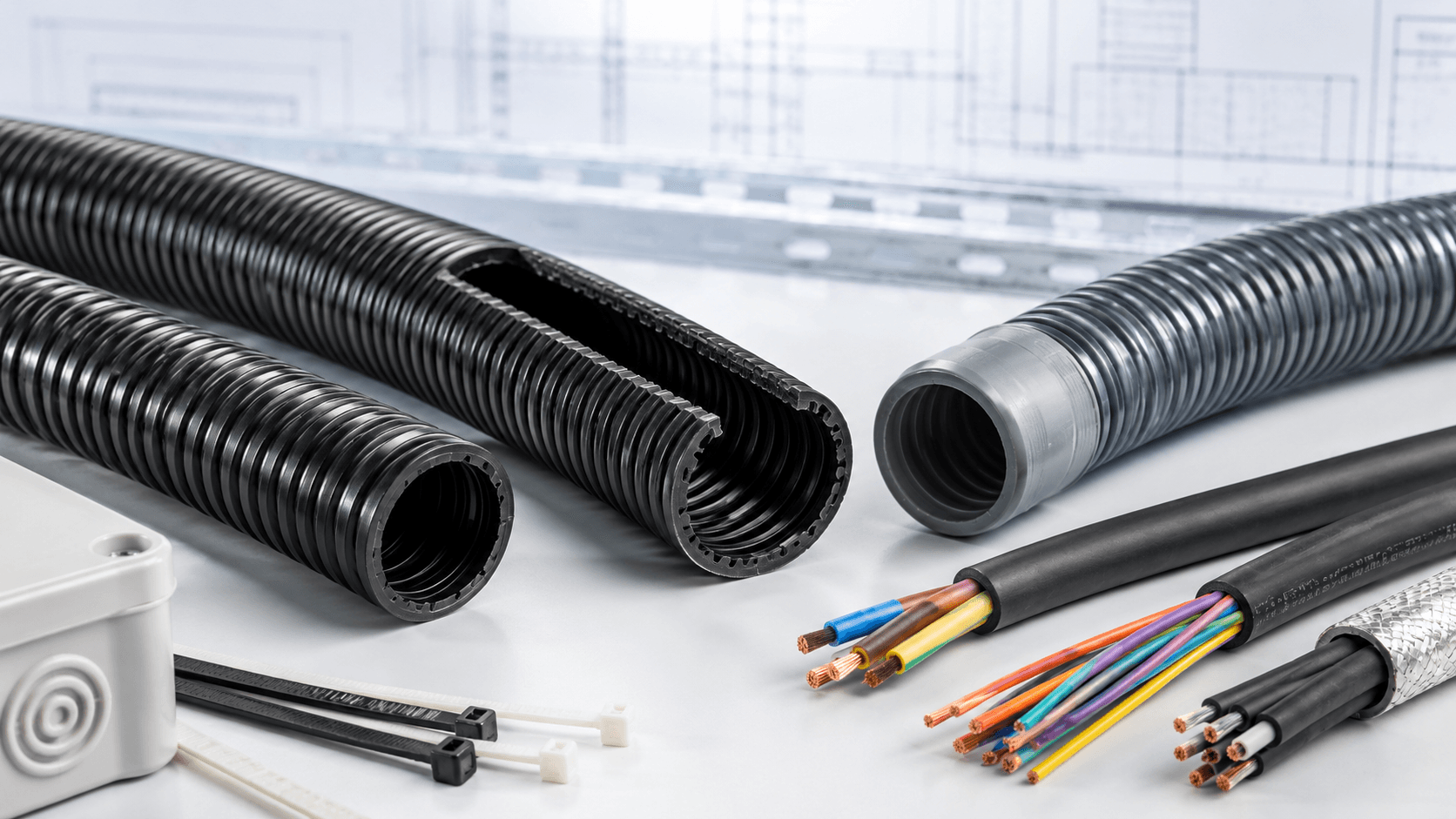 Tutorials
Compare PP, PE, polyamide, split and coated flexible conduits by environment, movement, cable load and installation method.
June 25, 2026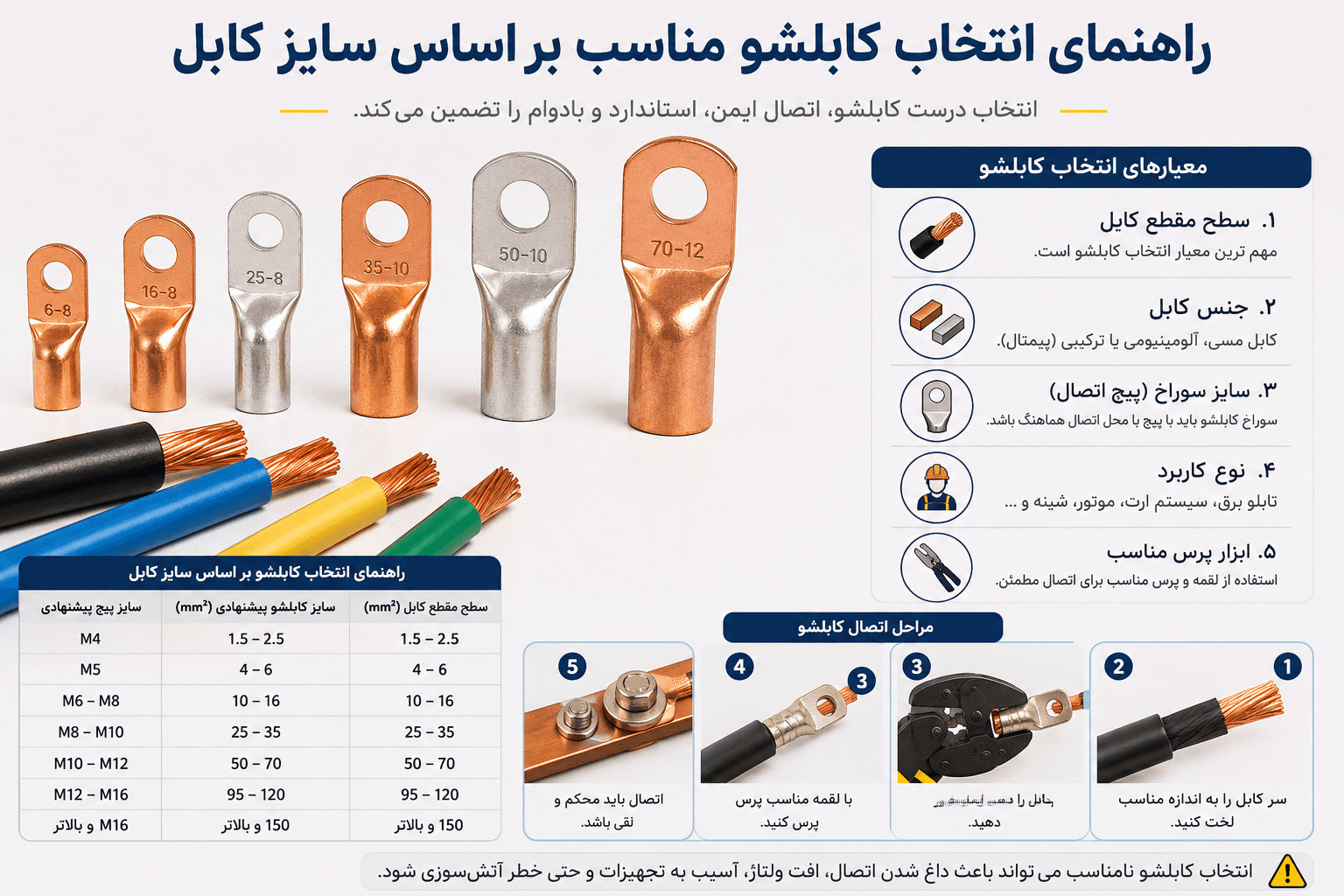 Tutorials
How to match cable lugs to conductor cross-section, stud size, conductor material, crimp tooling and installation conditions.
June 25, 2026