Compare PP, PE, polyamide, split and coated flexible conduits by environment, movement, cable load and installation method.
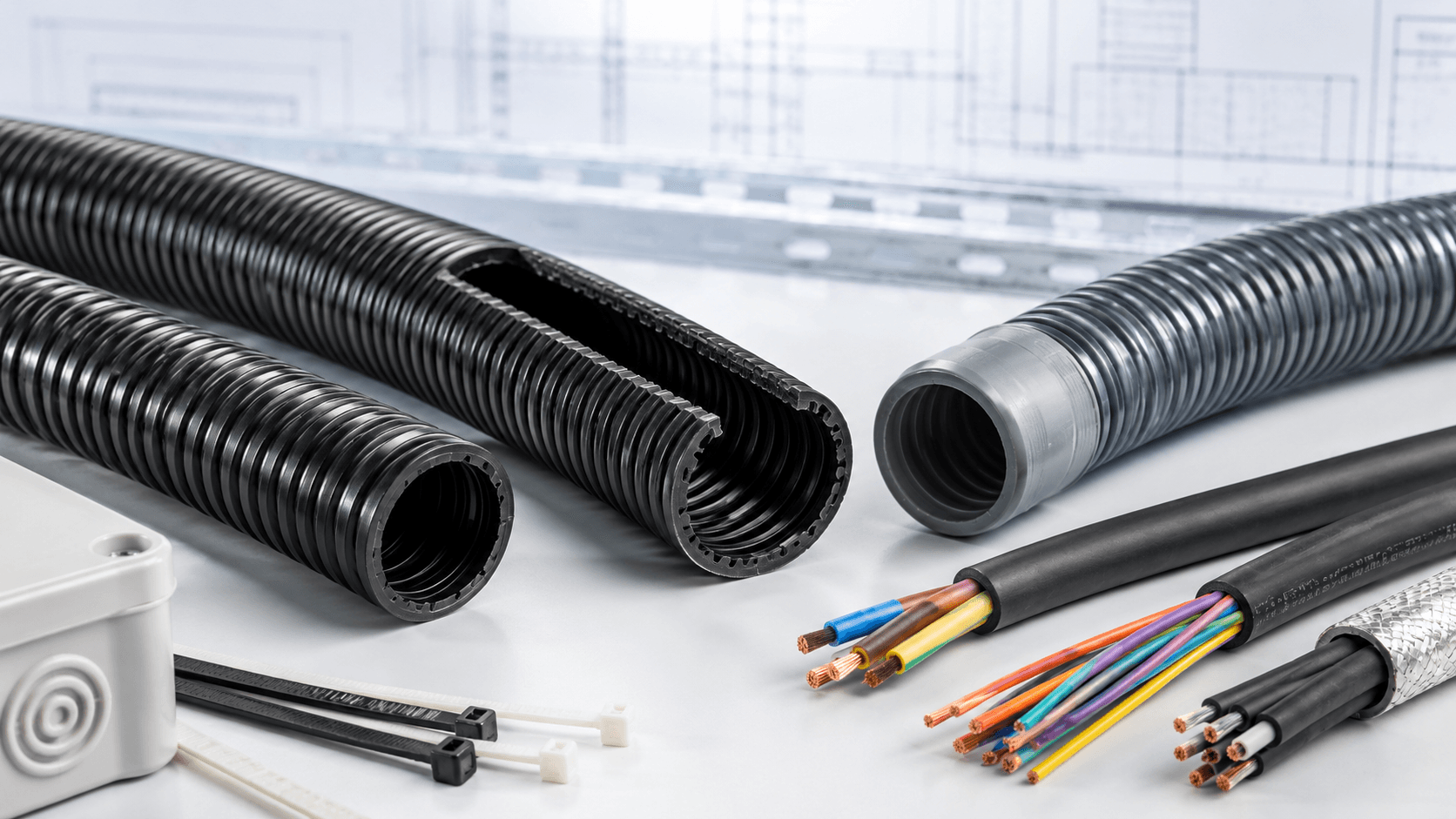
The best corrugated conduit is not simply the thickest option. Selection should be based on cable bundle size, movement, temperature, exposure to oil or chemicals, impact risk, flame requirements and whether the wiring is new or already installed.
Polypropylene conduit offers a useful balance of flexibility, abrasion resistance and industrial durability. Polyethylene is lightweight and economical for building services, CCTV and less demanding routes. Polyamide grades are frequently chosen for machinery because of their mechanical performance and temperature range. PVC-coated flexible metal conduit is appropriate when higher crush and impact resistance are required.
Use closed conduit during new wiring when conductors can be pulled through from an open end. Split conduit is the practical choice for retrofitting protection around an existing harness without disconnecting cables. Secure split conduit carefully at branches and termination points.
Measure the complete cable bundle and allow adequate free space; an overfilled conduit is difficult to install and can trap heat. Match the conduit to a compatible gland or connector, verify its outside diameter and maintain the manufacturer's minimum bend radius.
When these factors are documented, conduit selection becomes repeatable and defensible instead of relying on appearance alone.
Explore KFG Power industrial products and choose the right components for your project.
 Tutorials
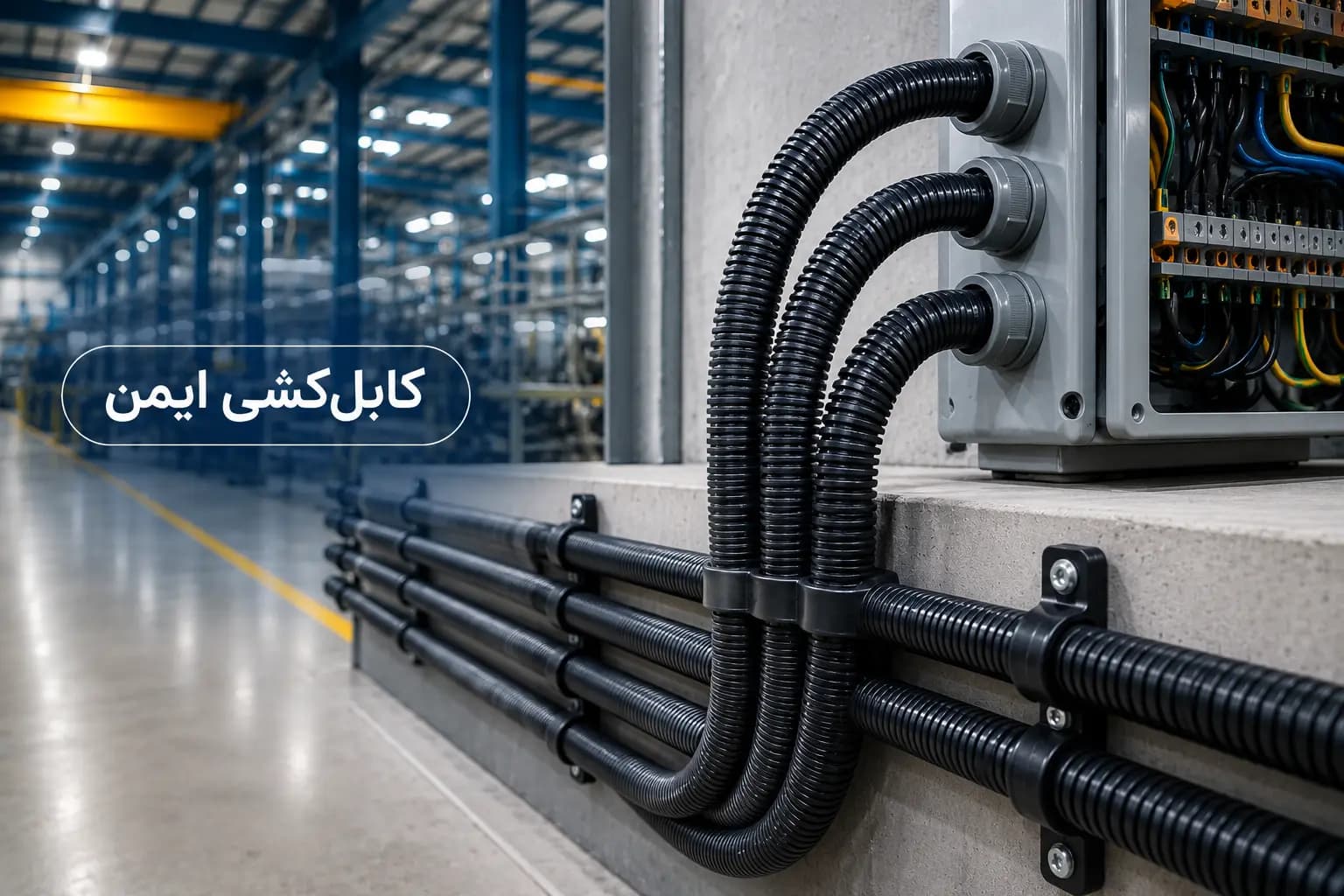
A field-focused installation sequence for routing and protecting industrial wiring with flexible polyamide conduit.
July 20, 2026 Tutorials
Key criteria for selecting cylinders, valves, fittings, tubing, filters and pressure-control components for industrial pneumatic systems.
June 25, 2026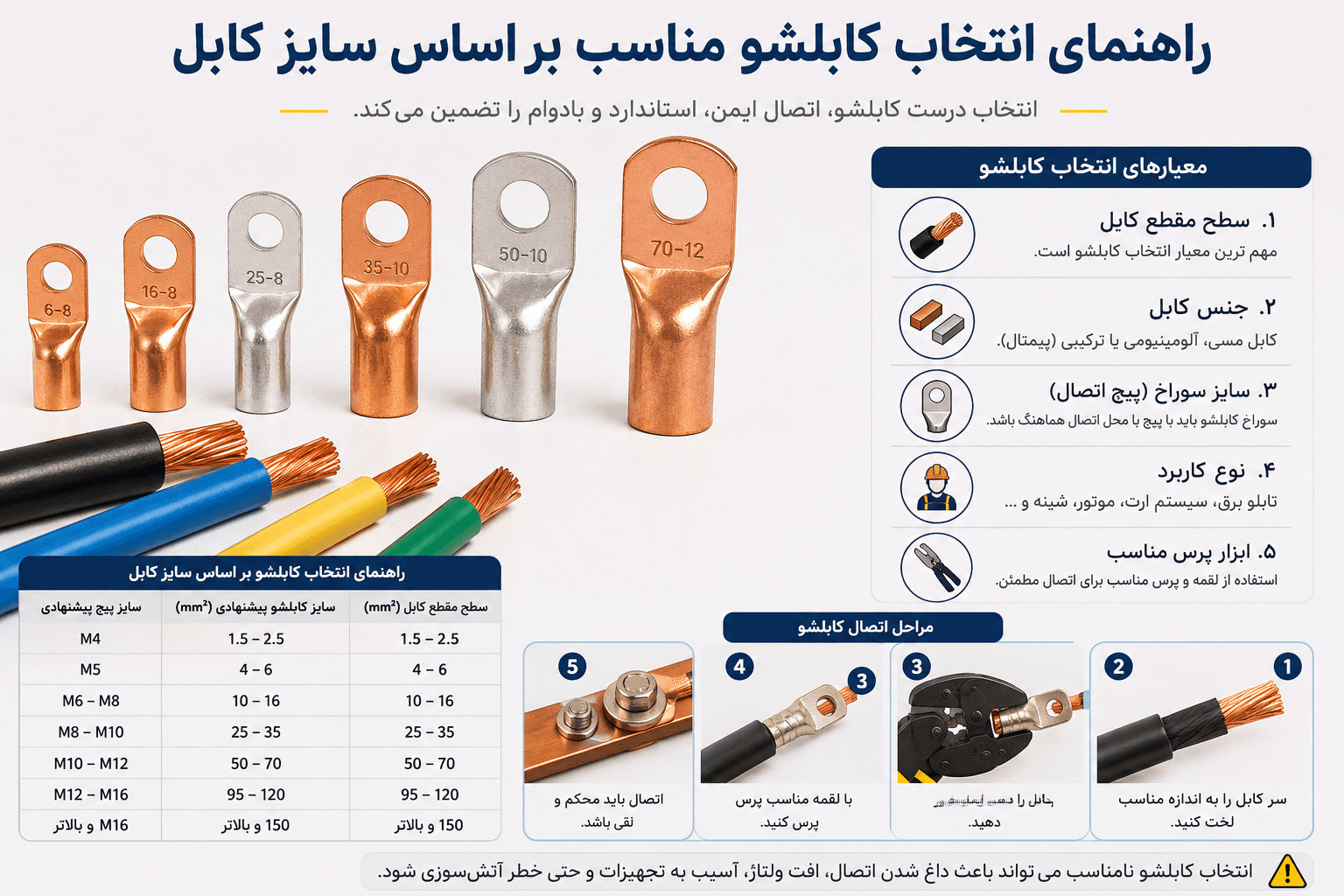 Tutorials
How to match cable lugs to conductor cross-section, stud size, conductor material, crimp tooling and installation conditions.
June 25, 2026