Key criteria for selecting cylinders, valves, fittings, tubing, filters and pressure-control components for industrial pneumatic systems.
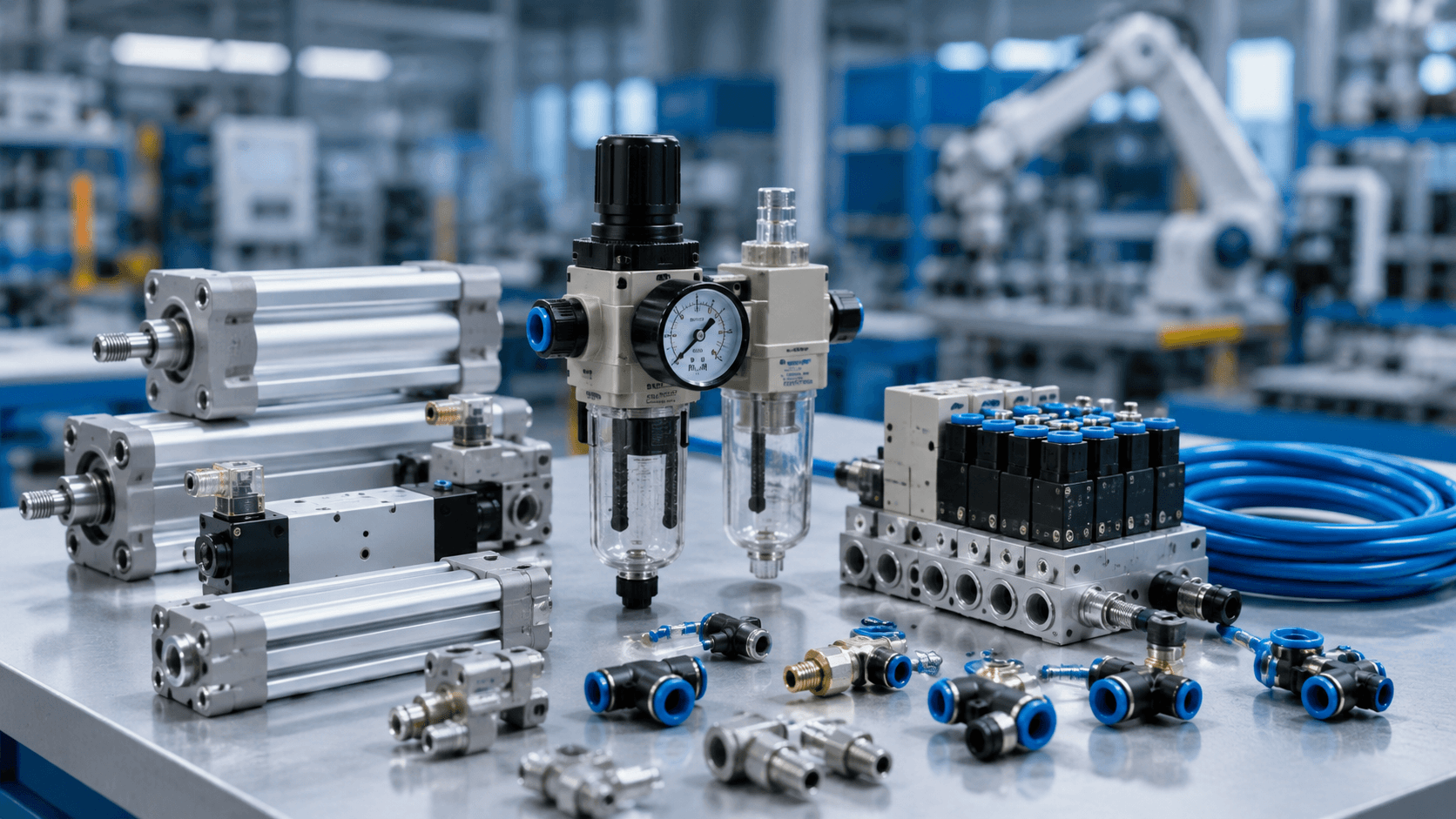
Begin with working pressure, required flow, actuator speed, cycle frequency, load and environmental conditions. Oversized components waste air and increase cost; undersized valves and tubes create pressure drop and unstable motion.
Clean, dry and correctly regulated air is fundamental to reliability. Select filters for the required particle and moisture removal, size the regulator for peak flow, and use lubrication only when the downstream components require it. Provide a safe isolation and pressure-release method for maintenance.
Match valve function, port size, flow coefficient, voltage and manual override to the control design. For cylinders, calculate force using the effective piston area and realistic system pressure, then include a suitable safety margin. Check stroke, mounting, cushioning and sensor requirements.
Polyurethane tubing is flexible and convenient for moving equipment, while other materials may be preferable for high temperature or aggressive chemicals. Match tube outside diameter to push-in fittings, cut tube ends squarely and avoid tight bends. Use O-ring face-seal fittings where their thread and port geometry are compatible.
KFG Power can review your pneumatic diagram and bill of materials to help identify compatible components.
Explore KFG Power industrial products and choose the right components for your project.
 Tutorials
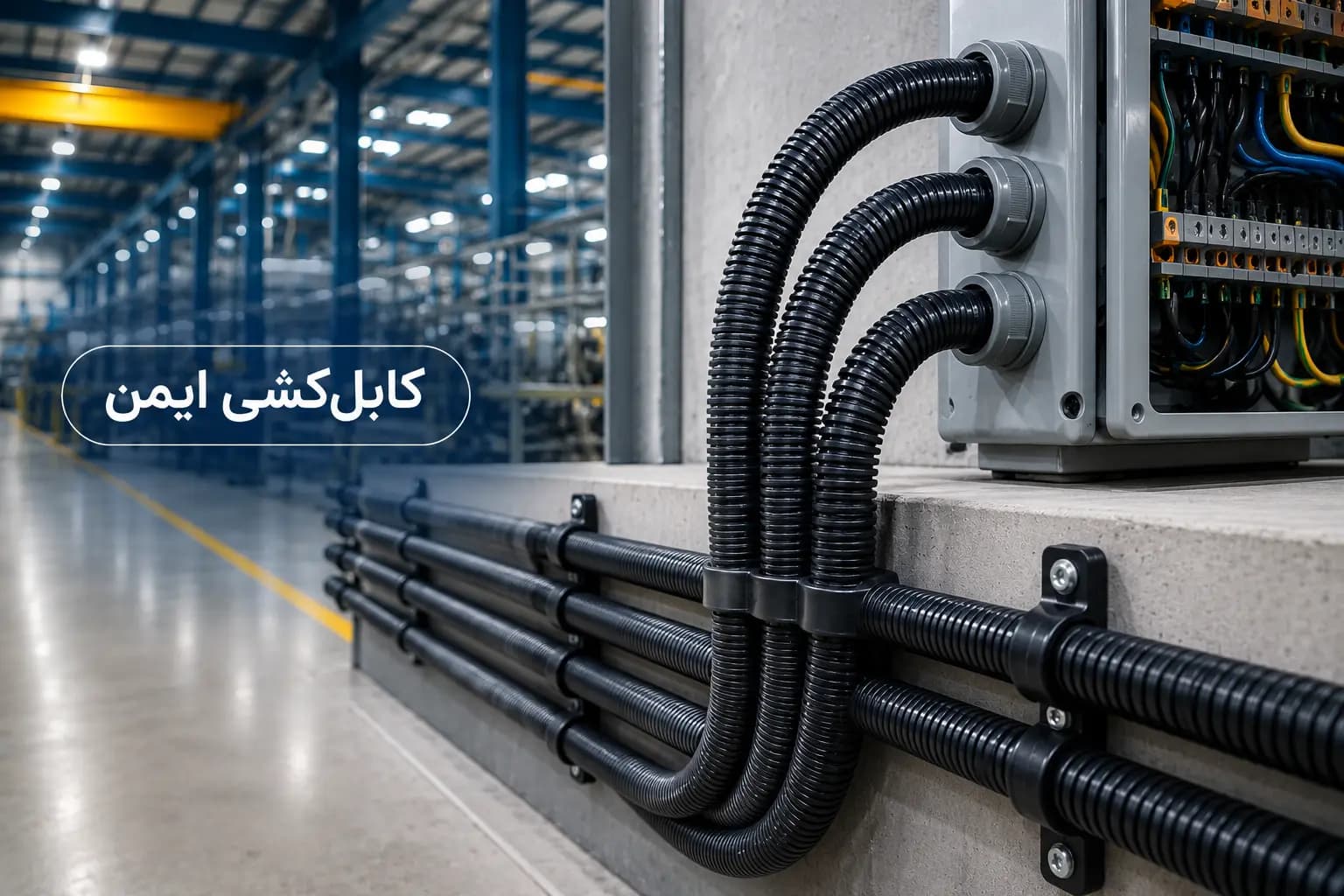
A field-focused installation sequence for routing and protecting industrial wiring with flexible polyamide conduit.
July 20, 2026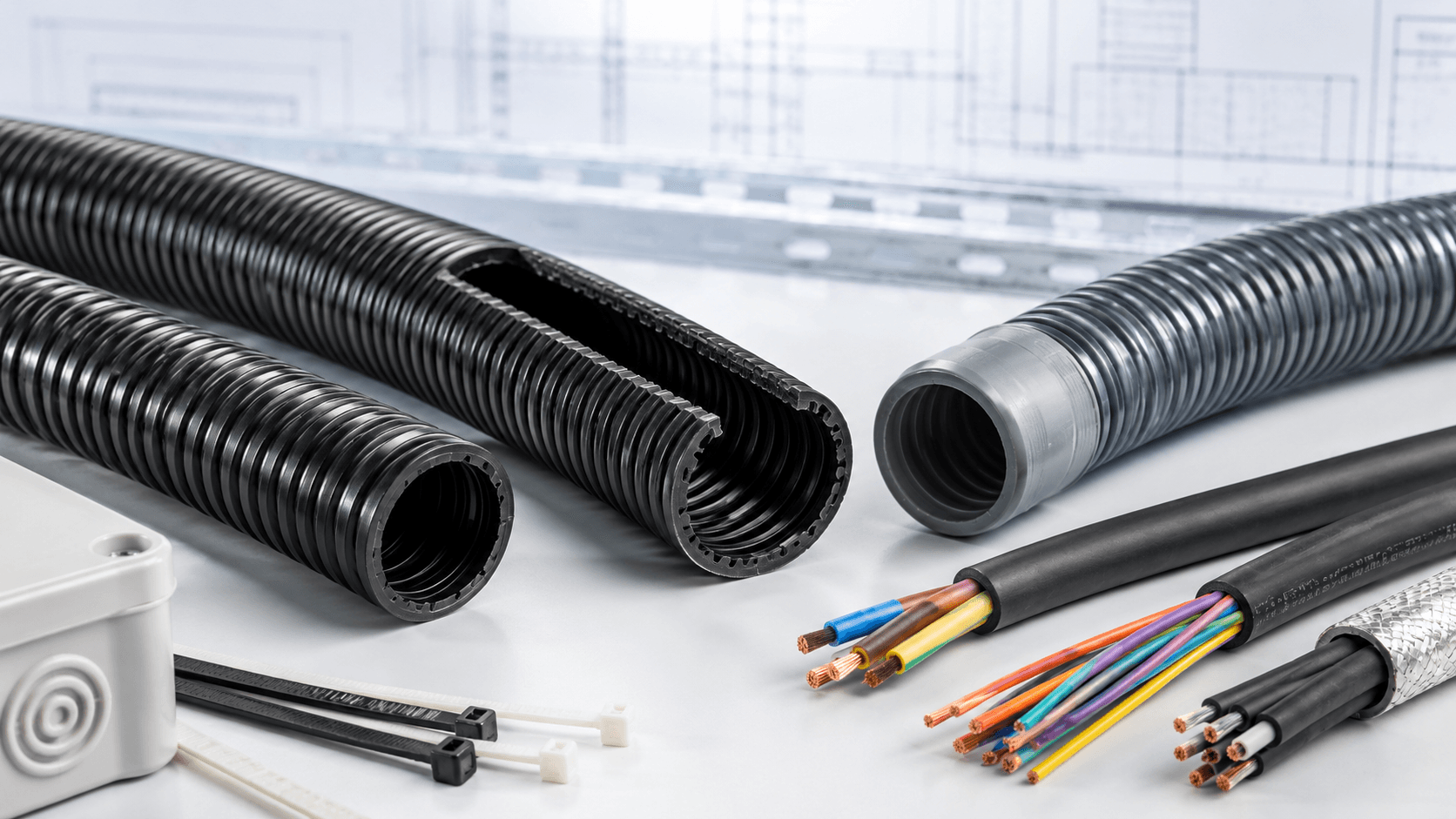 Tutorials
Compare PP, PE, polyamide, split and coated flexible conduits by environment, movement, cable load and installation method.
June 25, 2026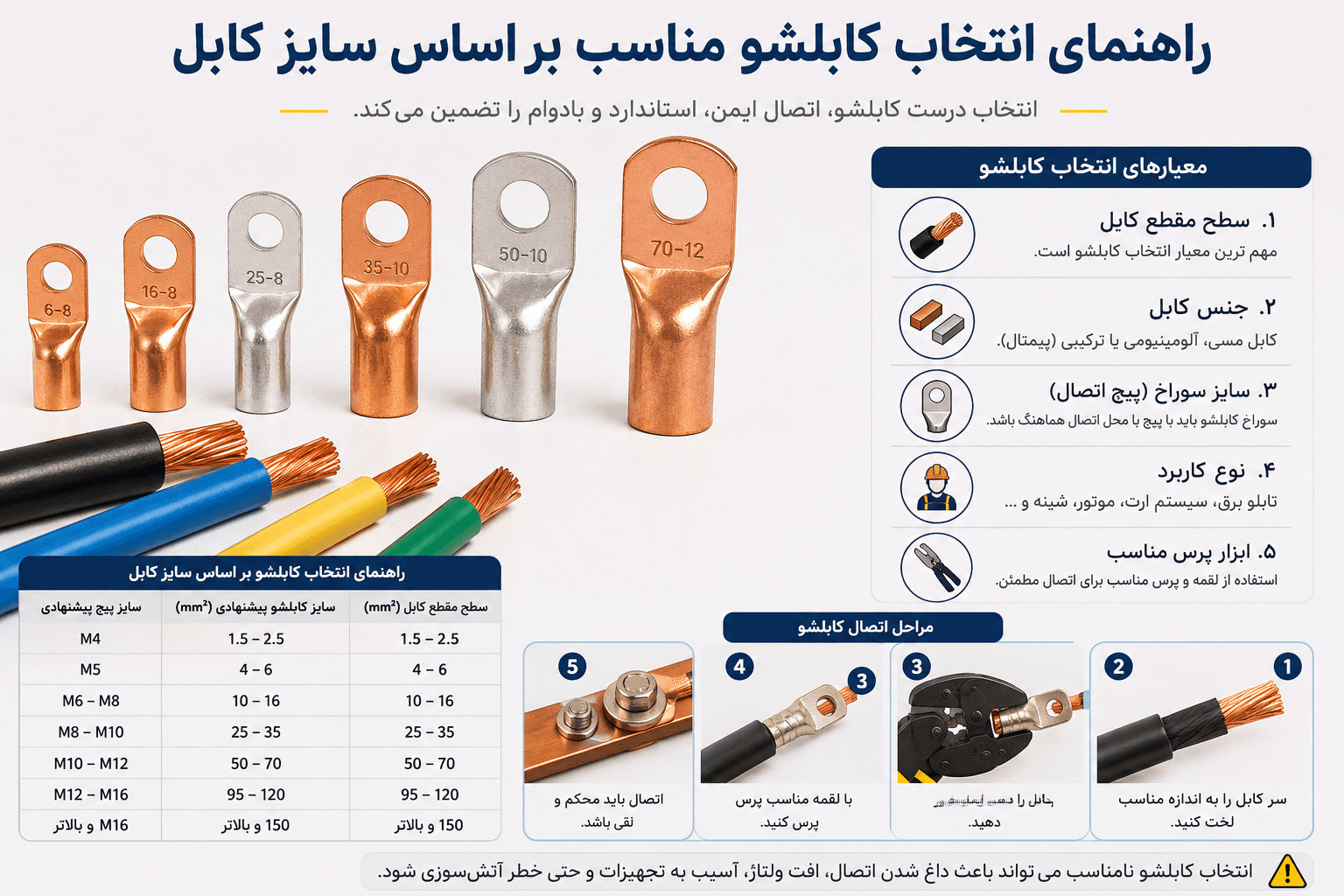 Tutorials
How to match cable lugs to conductor cross-section, stud size, conductor material, crimp tooling and installation conditions.
June 25, 2026