An overview of mechanical and pneumatic couplings, their applications and the specifications to verify before purchase.

A coupling joins two components so force, motion or fluid can pass between them. The term covers several product families, from mechanical shaft couplings to pneumatic quick couplings. Correct identification is essential because their functions and selection criteria are different.
Rigid couplings connect accurately aligned shafts. Flexible couplings tolerate limited angular, parallel or axial misalignment and can reduce shock or vibration. Selection depends on torque, rotational speed, shaft diameter, misalignment, starts and stops, temperature and the consequences of failure.
Quick couplings allow compressed-air lines or tools to be connected and disconnected rapidly. Check the plug profile, thread, hose or tube size, working pressure, flow capacity, seal material and whether shut-off is required on one or both sides. Components with similar appearance are not automatically interchangeable.
Brass, steel, stainless steel and engineering polymers each suit different combinations of corrosion, weight, pressure and cost. Seal materials must be compatible with the fluid, lubricant and temperature. Outdoor, wash-down and dusty environments may require additional protection.
Provide KFG Power with the existing part reference or complete operating data to reduce the risk of incompatible selection.
Explore KFG Power industrial products and choose the right components for your project.
 Tutorials
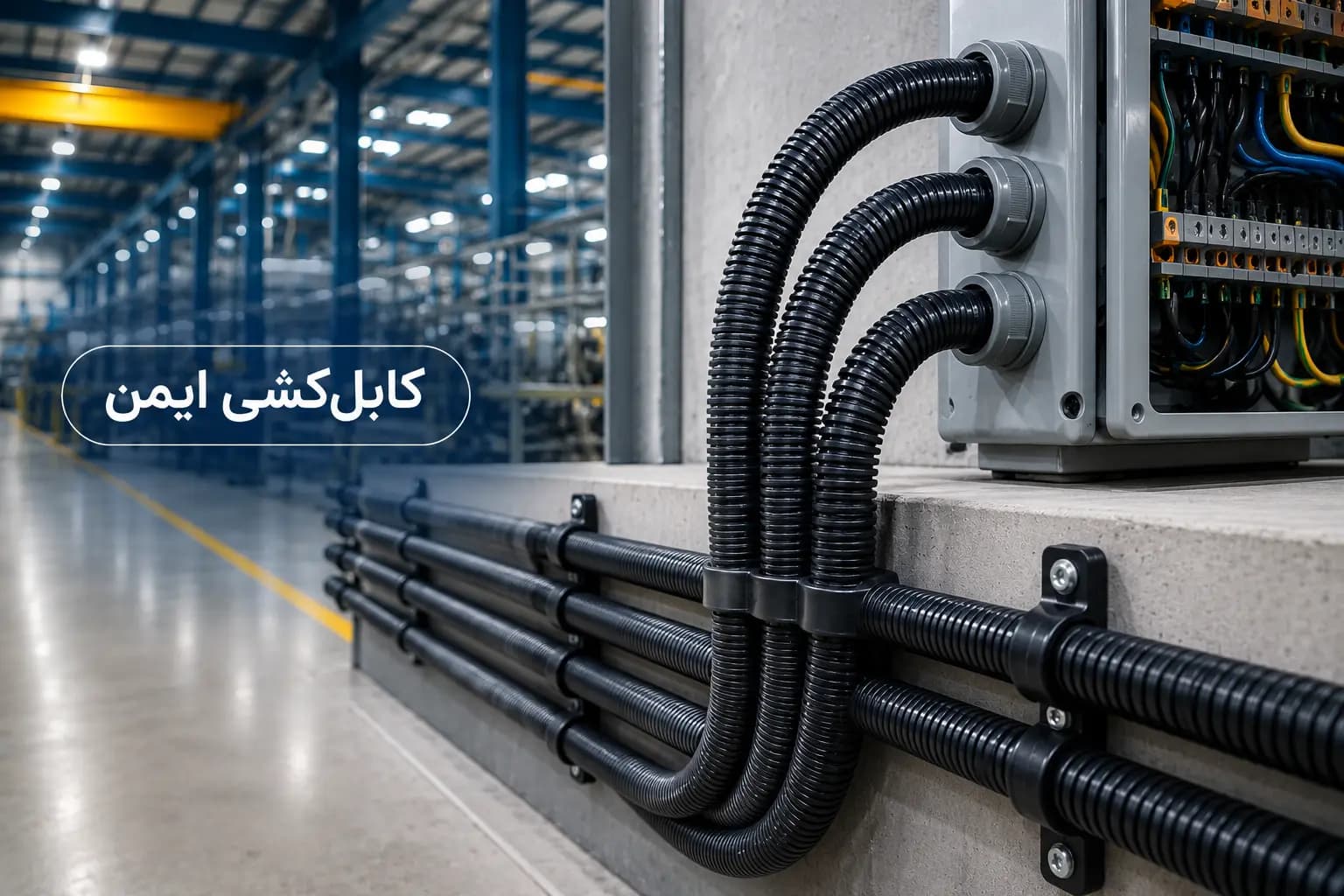
A field-focused installation sequence for routing and protecting industrial wiring with flexible polyamide conduit.
July 20, 2026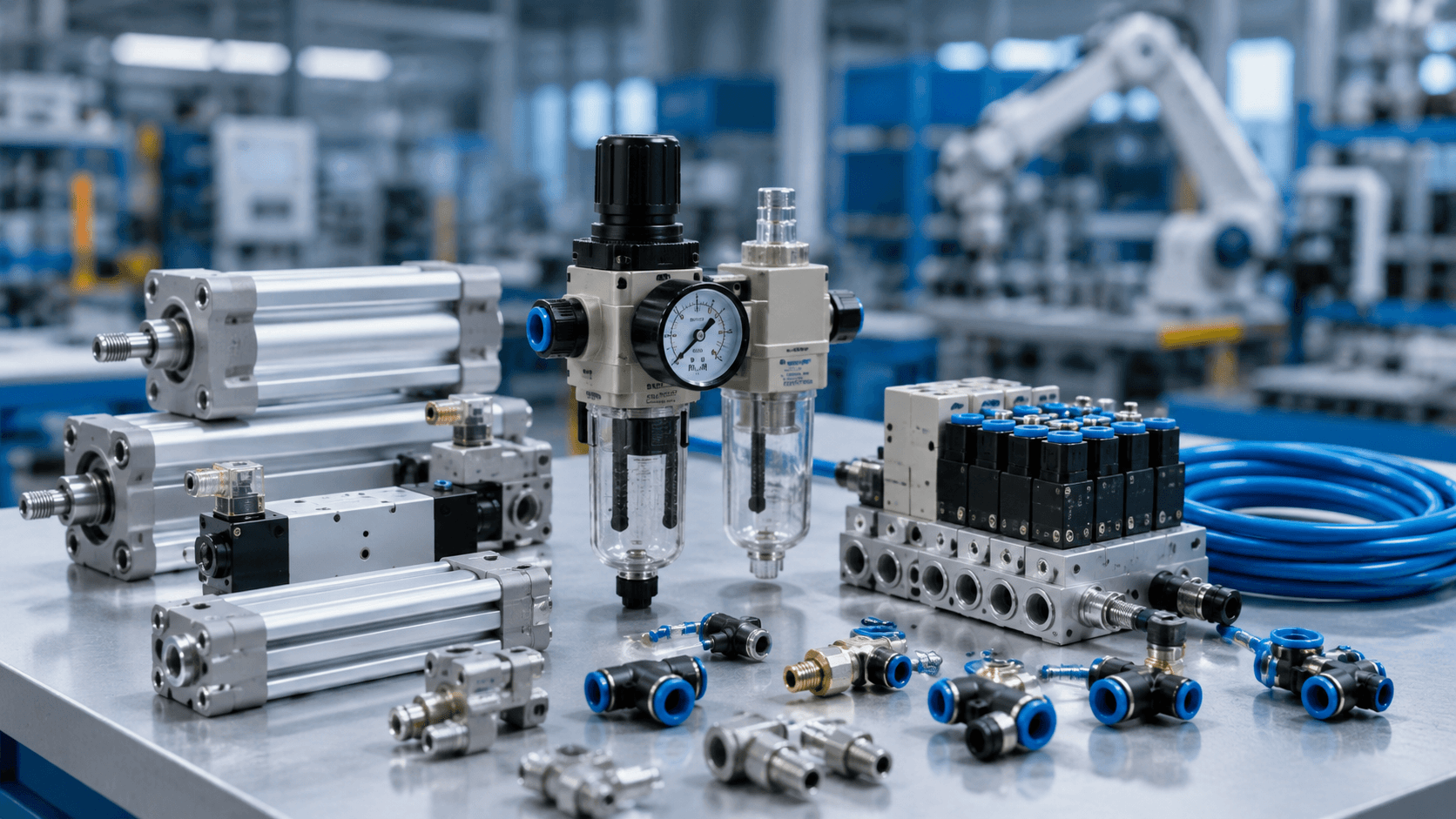 Tutorials
Key criteria for selecting cylinders, valves, fittings, tubing, filters and pressure-control components for industrial pneumatic systems.
June 25, 2026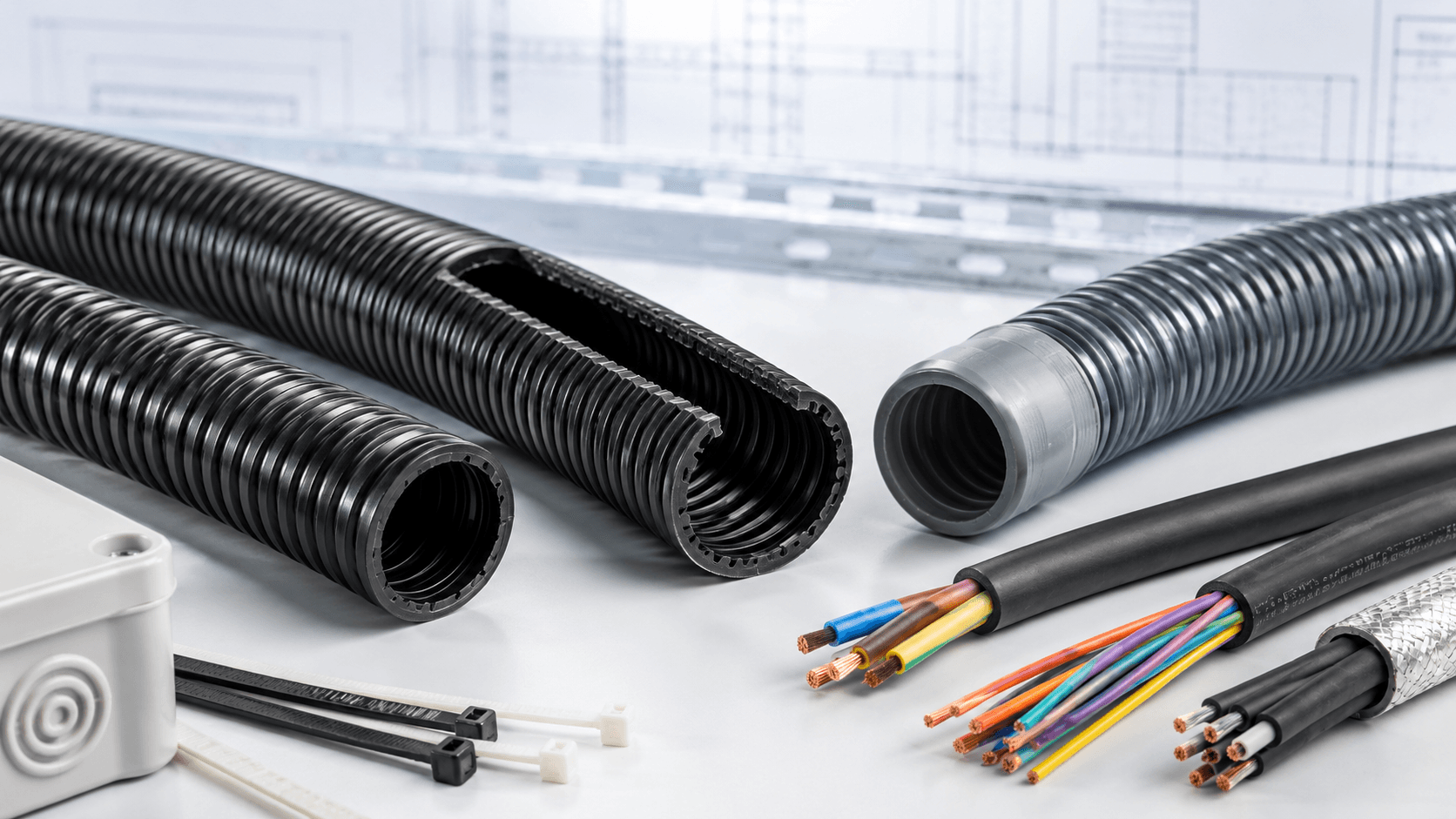 Tutorials
Compare PP, PE, polyamide, split and coated flexible conduits by environment, movement, cable load and installation method.
June 25, 2026